Featured
Table of Contents
The Financial Weight of Milliseconds in 2026
Speed serves as the undetectable foundation of digital success. As 2026 progresses, the space in between high-performing platforms and slow-loading tradition sites has actually widened into a significant monetary gorge. Data-driven design recommends that efficiency is no longer a technical choice-- it is a primary motorist of conversion rates and client retention. When a page takes longer than two seconds to load, the possibility of a bounce increases by over 100%. For organizations running in competitive environments, these lost seconds translate straight into lost profits.
Steve Morris, CEO of NEWMEDIA, has actually often argued in market publications that technical efficiency is the very first layer of any successful marketing strategy. Without a quick structure, even the most pricey pay per click or social media projects fail to yield a favorable roi. The logic is simple: if a user clicks an advertisement however the website stops working to load right away, the expense per click is wasted. Marketing budget plans are progressively tied to performance metrics, ensuring that every dollar invested in traffic is supported by a website efficient in converting that traffic. Organizations that focus on Corporate Web Design are seeing much better effectiveness in their advertisement invest and higher organic engagement.
Search Visibility and the AI Influence on ROI
The rise of AI search optimization, frequently described as AEO or GEO, has actually changed the stakes for site speed. In 2026, AI representatives and generative engines crawl the web in a different way than traditional search bots. These systems focus on efficiency and data clarity. A site that reacts rapidly allows these agents to parse info faster, resulting in better visibility in AI-generated responses. NEWMEDIA uses its RankOS platform to keep an eye on how efficiency impacts these AI search rankings, providing a clear link between technical speed and brand name presence.
Efficiency data from Postnet national franchise website redesign exposes that search engines now punish slow sites more aggressively than in previous years. This is not simply about user disappointment-- it has to do with the energy expense of crawling the web. Faster websites are more affordable for online search engine to index, which leads to more frequent updates and much better ranking stability. For a service in logistics, keeping a high-performance profile is a prerequisite for staying noticeable in a crowded market. The focus has moved from simple keyword density to the total performance of the shipment system.
Measuring the Impact of web development
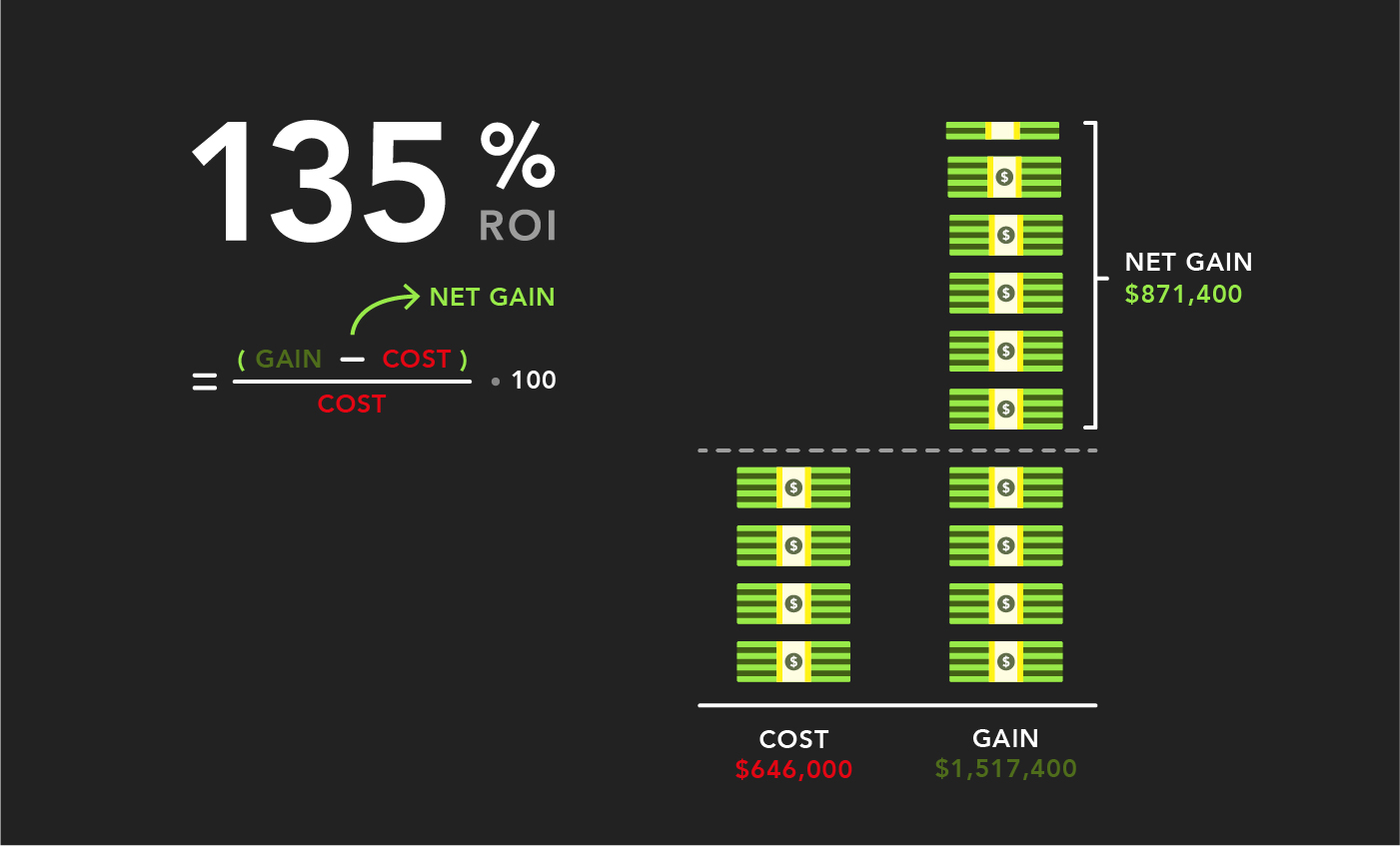
Determining the ROI of speed needs looking beyond simple load times. It involves examining the entire user path from the initial entry to the final conversion. In most cases, a 10% enhancement in page speed results in a measurable uptick in typical order value and session duration. Users who experience a fast, responsive interface are more likely to check out several pages, increasing the possibilities of a successful outcome for any digital interaction.
- Lowered bounce rates result in decrease customer acquisition expenses.
- Faster checkouts in ecommerce environments reduce cart abandonment.
- Improved server response times lower the overhead of maintaining high-traffic platforms.
- Higher quality ratings in PPC platforms lead to decrease costs per click.
By treating efficiency as a core part of a technical strategy, services can see a compound result on their bottom line. The initial investment in optimization spends for itself through reduced waste in other marketing channels. Steve Morris has kept in mind that companies frequently search for intricate options to low conversion rates when the answer is often as easy as improving the time to first byte. Data-driven design relies on these hard numbers to justify shifts in advancement priorities.
Technical Effectiveness in modern web systems
Modern web architecture in 2026 prefers modularity and light-weight code. Moving away from heavy, puffed up frameworks has actually ended up being a standard practice for companies concentrated on high-growth clients. When taking a look at recent performance audits, it becomes clear that numerous organizations are still weighed down by unnecessary third-party scripts and unoptimized media. Cleaning these components out is frequently the fastest method to see an instant jump in ROI.
The combination of AI search visibility services into standard web maintenance implies that speed is monitored in real-time. Platforms like RankOS offer a consistent stream of information, enabling fast adjustments before an efficiency dip affects sales. This proactive approach guarantees that the digital existence remains an asset rather than a liability. Strategic Corporate Web Design has actually become vital for brands that wish to keep an one-upmanship without spending too much on standard advertising.
User Psychology and Efficiency Expectations
Consumer expectations have actually reached a point where any delay is perceived as an absence of professionalism. In the present year, users associate speed with security and dependability. A site that stutters or loads gradually develops a sense of distrust, particularly in sectors including monetary deals or delicate information. Performance-focused marketing addresses this by guaranteeing that the brand's very first impression is among efficiency and precision.
Design teams now use performance budgets to limit the weight of a page before a single line of code is written. This ensures that the end product is not simply visually enticing however likewise functionally superior. By focusing on the user's time as a limited resource, services can build a more faithful consumer base. The return on this effort is seen in higher lifetime worth and more regular return gos to, which are the hallmarks of a sustainable digital company model. Speed is the silent partner in every effective transaction, providing the foundation for everything from SEO to social media engagement.

Latest Posts
The Shift Toward Spatial and Conversational User User Interfaces
The Impact of Headless Tech on Local Material Technique
Why Every Business Needs a Sustainability-First Web Method